What Businesses Should Know Before Going Solar
Commercial solar can be one of the most valuable energy investments a business makes, but the best outcomes start with the right questions.
Before installing solar panels, business owners and facility managers should understand how solar fits their building, budget, energy usage, and long-term goals.
At ECS Energy, we help commercial customers evaluate solar through a practical, data-driven process designed around each facility’s needs.
Start with Your Energy Usage
The first step in any commercial solar project is understanding how much electricity your facility uses and when it uses it.
A building that consumes most of its power during the day may be a strong candidate for solar because the system can produce energy during active operating hours.
Businesses should review:
- Monthly electric bills
- Annual energy usage
- Peak demand periods
- Seasonal usage changes
- Current electric rate structure
This information helps determine the right system size and projected financial benefit.
Evaluate the Facility
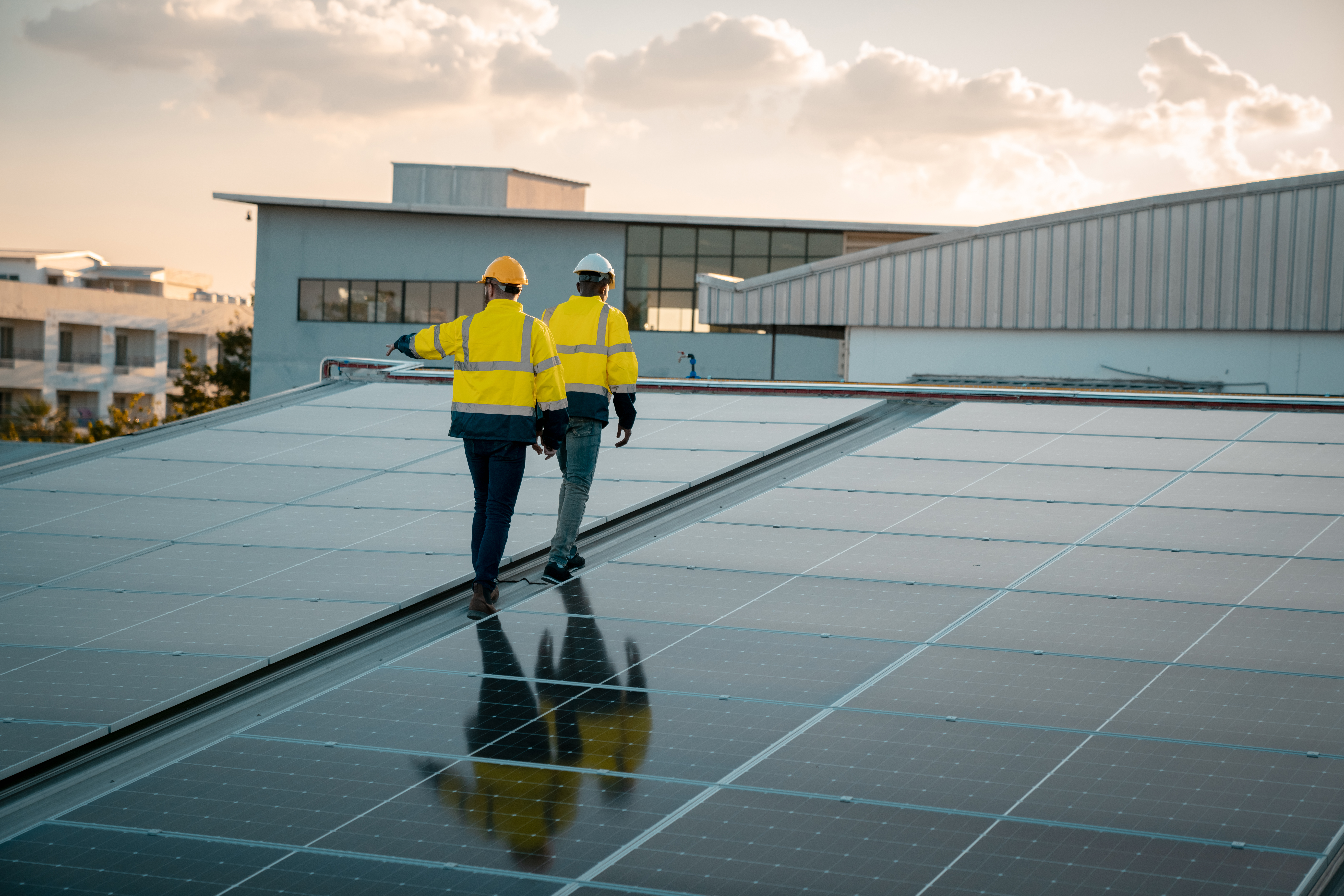
The physical characteristics of the property matter. Roof condition, roof age, available space, shading, structural capacity, and electrical infrastructure all affect system design.
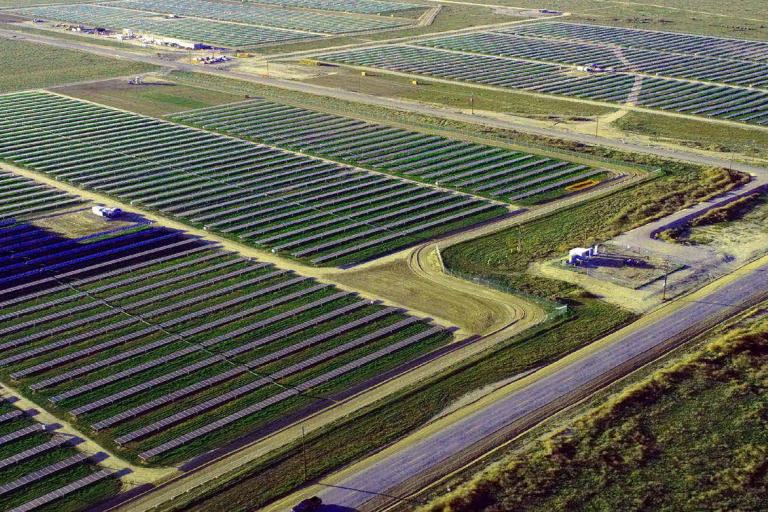
For ground-mounted systems, available land, site access, and permitting requirements must also be considered.
A strong commercial solar plan begins with a site-specific review rather than a generic estimate.
Understand Your Financial Goals
Every organization approaches solar differently.
Some businesses want to reduce monthly operating costs. Others want to improve long-term energy predictability, support sustainability initiatives, or create a stronger return on facility infrastructure.
Clarifying the financial goal early helps determine the right system design and financing structure.
For many businesses, ECS Energy’s article on whether commercial solar is worth it in 2026 can help frame the conversation.
Compare Financing Options
There are several ways to finance a commercial solar project. The best option depends on available capital, tax appetite, ownership preferences, and desired savings structure.
Common options may include:
- Cash purchase
- Solar loan
- Lease
- Power purchase agreement
Each option has different implications for ownership, tax incentives, long-term savings, and cash flow.
Businesses can learn more by reviewing ECS Energy’s guide to commercial solar financing options.
Consider Incentives and Timing
Commercial solar incentives can play an important role in project economics. Federal, state, and utility programs may help reduce the net cost of a solar installation, but availability and requirements can change.
Because incentives often depend on timing, project type, location, and eligibility, businesses should evaluate opportunities early in the planning process.
Think Beyond the Solar Panels
A successful energy strategy may include more than solar alone. Depending on the facility, businesses may benefit from energy efficiency improvements, demand response, automation, or storage as part of a broader plan.
Solar is often most effective when it is integrated into a larger understanding of how the building uses energy.
This holistic view allows businesses to reduce waste, improve performance, and make smarter long-term decisions.
Ask the Right Questions
Before moving forward, businesses should ask:
- How much energy does our facility use each year?
- What portion of our usage could solar offset?
- Is our roof or land suitable for installation?
- What incentives may be available?
- Which financing option best fits our goals?
- How will solar affect our long-term operating costs?
- Who will design, install, and maintain the system?
The answers to these questions help determine whether solar is the right fit and how the project should be structured.
Work with an Experienced Commercial Solar Partner
Commercial solar requires more than equipment. It requires engineering, financial planning, permitting, utility coordination, and long-term support.
Working with an experienced commercial solar provider can help businesses avoid costly mistakes and create a system designed around real operational needs.
You can see examples of ECS Energy’s work on the Projects page and learn more about the process on the Going Solar page.
Start with a Clear Solar Assessment
The best way to know whether commercial solar makes sense is to start with a professional evaluation.
A solar assessment can help identify your facility’s opportunity, projected savings, financing options, and next steps.
To begin, visit the Get Started page or browse the FAQ section for common commercial solar questions.