Is Commercial Solar Worth It in 2026? Cost Control vs Utility Risk
For many businesses and institutions, the question is no longer whether energy costs will rise, but how much control they want over them. In 2026, commercial solar continues to gain momentum as organizations reassess long-term utility risk, operational stability, and asset ownership.
So is commercial solar still worth it? The answer depends on how your organization views energy: as an expense or as infrastructure.
The Real Cost of Utility Dependence
Utility rates have historically trended upward, driven by:
- Grid modernization costs
- Fuel price volatility
- Increased demand
- Regulatory changes
For large facilities, even small rate increases can translate into significant long-term cost exposure. Utility dependence also leaves organizations vulnerable to outages and service disruptions.
How Commercial Solar Changes the Equation
Commercial solar allows organizations to:
- Lock in predictable energy costs
- Reduce exposure to future rate increases
- Improve long-term operating margins
- Gain control over a critical operational input
Instead of paying indefinitely for energy consumption, businesses can invest in infrastructure that produces energy on-site.
Ownership vs. Ongoing Payments
When evaluating commercial solar, the comparison isn’t just cost, it’s structure.
With utility power:
- Costs continue indefinitely
- Rates are externally controlled
- Budget forecasting is uncertain
With owned or financed solar:
- Costs are front-loaded or fixed
- Long-term operating expenses decline
- Energy becomes a controlled asset
This distinction matters most for organizations planning five, ten, or twenty years ahead.
Commercial Solar and Risk Management
Beyond cost savings, commercial solar plays a growing role in risk mitigation:
- Reduces exposure to grid instability
- Supports business continuity planning
- Enhances resilience when paired with storage
For facilities with critical operations, these factors often outweigh simple payback calculations.
When Commercial Solar Makes the Most Sense
Commercial solar is typically most effective for organizations with:
- Significant daytime energy usage
- Long-term facility ownership or leases
- Predictable operational loads
- Rising utility expenses
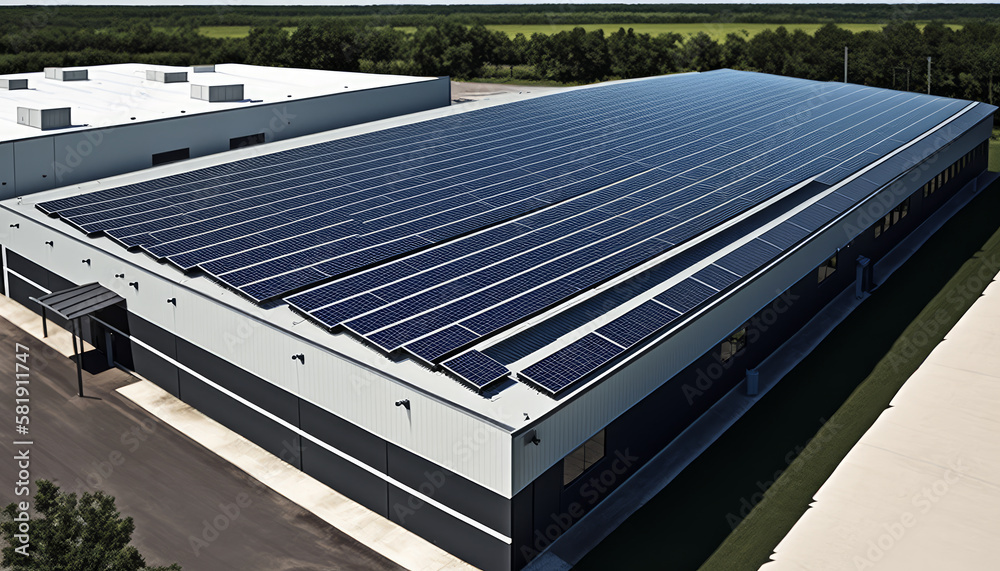
Facilities such as manufacturing plants, schools, warehouses, and municipal buildings often see the strongest results.
Is Commercial Solar Always the Right Answer?
Not every facility is an immediate fit. Roof condition, electrical infrastructure, land availability, and interconnection constraints all matter. That’s why feasibility and engineering analysis should come before assumptions.
At ECS Energy, we help organizations evaluate solar not as a commodity purchase, but as a strategic infrastructure decision, balancing cost control, operational risk, and long-term value.
If you’re weighing whether commercial solar makes sense for your facility in 2026, a data-driven assessment is the best place to begin.