
Winter demand energy costs are not determined only by how many kilowatt-hours a New Jersey facility uses. For many commercial accounts, the highest interval of electrical demand can also influence the bill. October is a useful time for facility managers to study the load profile before heating, lighting and year-end operations change how the building uses electricity.
ECS Energy helps New Jersey businesses, institutions, nonprofits and municipalities combine commercial solar, battery storage and demand response into facility-specific strategies.
Energy Use and Demand Are Different
Energy consumption is measured in kilowatt-hours over time. Demand is measured in kilowatts and represents how much power the facility draws during a particular interval. A site can have reasonable monthly consumption and still create an expensive demand peak if several large loads operate at the same time.
What Can Create a Winter Demand Peak?
- Electric heating equipment
- Morning building warm-up
- Manufacturing equipment starting simultaneously
- Lighting loads during shorter days
- EV fleet or employee charging
- Kitchen, refrigeration or process equipment
- Seasonal operating schedules
How Solar Fits Into Winter Demand Management
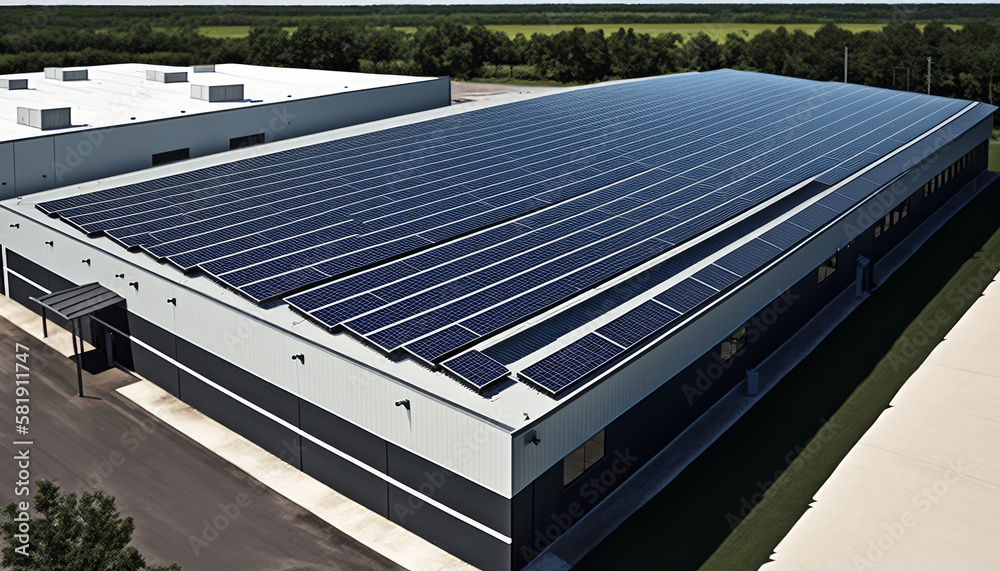
Solar reduces grid consumption when the facility is using electricity while the array is producing. If the site’s demand peak occurs during productive solar hours, PV may help reduce that peak. If the highest demand happens before sunrise or after sunset, solar alone may have less impact.
Battery Storage Can Target Remaining Peaks
A properly controlled commercial battery can discharge when facility demand approaches a target, reducing how much power must be drawn from the grid during the peak interval. ECS Energy’s commercial battery storage resources provide an overview.
Demand Response Adds Another Tool
Some loads can be shifted, staged or temporarily reduced without compromising core operation. Equipment startup may be staggered, noncritical charging delayed or other loads adjusted within operational limits.
Start With Energy Efficiency
Solar and storage should not be asked to compensate for avoidable waste. Lighting, HVAC controls, motors, schedules and building automation may provide opportunities to reduce both energy use and demand.
What Data Should You Gather This October?
- 12 months of electric bills
- Interval demand data when available
- Current rate schedule
- Building operating hours
- Major equipment schedules
- Planned EV charging or electrification
- Expected winter occupancy changes
- Solar production history
New Jersey Incentives and Project Economics
New Jersey maintains programs supporting solar development, including the state’s Successor Solar Incentive structure and Competitive Solar Incentive program for eligible larger projects. Program details and solicitation windows can change, so verify current information through official state resources.
Why Morning Warm-Up Can Be a Hidden Winter Cost
Many commercial buildings reduce temperatures or equipment operation overnight and then bring several systems online at roughly the same time each morning. That startup pattern can create a short, high demand interval even when the total daily energy use is not unusual.
Staging equipment, optimizing control sequences and using battery discharge strategically may reduce the size of that peak. The right approach should be modeled against the actual rate structure rather than applied as a generic rule.
Include EV Charging in the Winter Load Forecast
Employee and fleet EV charging can become a meaningful new load, particularly if many vehicles connect when staff arrive. If the chargers overlap with building warm-up, manufacturing startup or other major loads, the combined peak may be more important than the total energy used by the chargers over the day.
Smart charging schedules and load controls can help spread charging across available time, while solar and storage can provide additional tools depending on the site’s operating pattern.
Questions for a Winter Energy Strategy Meeting
- When did the facility set its peak demand last winter?
- Which equipment was running at that time?
- Does solar production overlap the peak?
- Can any load be staged or shifted?
- Would storage have enough power and duration to shave the peak?
- Are future EV or electrification loads included in the forecast?
- Does the current utility tariff create new opportunities or risks?
A data-driven answer to those questions is far more useful than assuming every kilowatt-hour has the same financial impact.
Turn Winter Data Into a 2027 Capital Plan
October is also useful for budgeting. If interval data shows repeatable winter peaks, the facility can model several options before the next capital cycle: controls-only improvements, battery storage, solar expansion, electrical upgrades or a combined project.
Instead of asking which technology is “best,” compare each option against measurable goals such as annual savings, peak-demand reduction, outage resilience and sustainability targets.
Do Not Ignore Utility Rate Changes
Commercial tariffs can change, and a project that looked attractive under one rate structure may perform differently under another. Revisit the current utility tariff before finalizing storage controls or demand-response strategy. ECS Energy can incorporate current rate information into a facility-specific analysis.
Frequently Asked Questions
Does every commercial account pay demand charges?
No. Rate structures vary by utility and tariff.
Can solar eliminate demand charges?
Not necessarily. Solar’s impact depends on whether production overlaps the facility’s peak demand interval.
Can batteries reduce winter demand peaks?
They can in appropriately designed applications. Results depend on load profile, battery size, controls and utility rate structure.
Use October to Understand the Winter Load Before It Arrives
Contact ECS Energy to review your New Jersey facility’s load profile and evaluate how commercial solar, storage, demand response and efficiency can work together.